Think you know whisky?
14 Fun and Fascinating Whisky Facts

Whisky has been made since the early 1000s AD, so it isn't surprising that some interesting facts about it have emerged over the years. Here are 14 eye-popping pieces of whisky-related info we think will fascinate you.
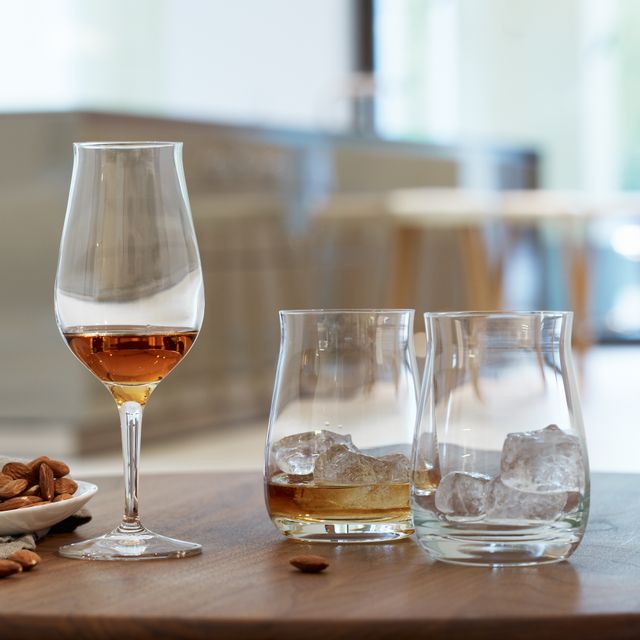
- The word 'whisky' is derived from the Gaelic term 'uisce beatha,' meaning 'water of life.'
Irish monks originally used the term 'uisce beatha' to refer to distilled spirits, which they believed had medicinal properties and could promote longevity. Over time, this term evolved into 'usquebaugh' in Scotland and 'usquebeath' in Ireland, eventually becoming 'whiskey' in English. It's quite the jump, but hey - these things happen gradually.
- 'Whisky' and 'whiskey' are both correct spellings.
The spelling of 'whiskey' versus 'whisky' is just a matter of tradition and regional preference. Of the major whisky-producing countries, Scotland, Canada, and Japan traditionally use the spelling 'whisky,' while Ireland and the United States typically use 'whiskey.' That's why, for example, bourbon is spelt as 'whiskey,' while Scotch is spelled ' whisky.' You can learn more about the various types of whisky different countries produce with our guide to whisky styles across the globe.
- Scotch must be aged in oak barrels for a minimum of three years, whereas Bourbon must be aged for a minimum of two years.
Aging in oak barrels imparts flavor, color, and character to whisky. If you age a scotch for less than three years or a bourbon for less than two years, the outcome will still be whisky, but it can't be given the label of Scotch or Bourbon. While three and two years are the minimum aging requirements for Scotch and Bourbon, respectively, many are aged for more extended periods to develop complexity and achieve the distiller's desired taste profile.
- Speaking of aging, the age statement on a bottle of whisky always references the youngest whisky used.
While insignificant for single malts, this is crucial to know when it comes to blended whiskies. This rule means that even if a blend contains older whiskies, the age statement will reflect the youngest whiskey in the mix.
- The world's oldest whiskey distillery is Bushmills in Northern Ireland, licensed in 1608.
Bushmills Distillery in Northern Ireland holds the title of the oldest licensed whiskey distillery in the world, with a history dating back to 1608.
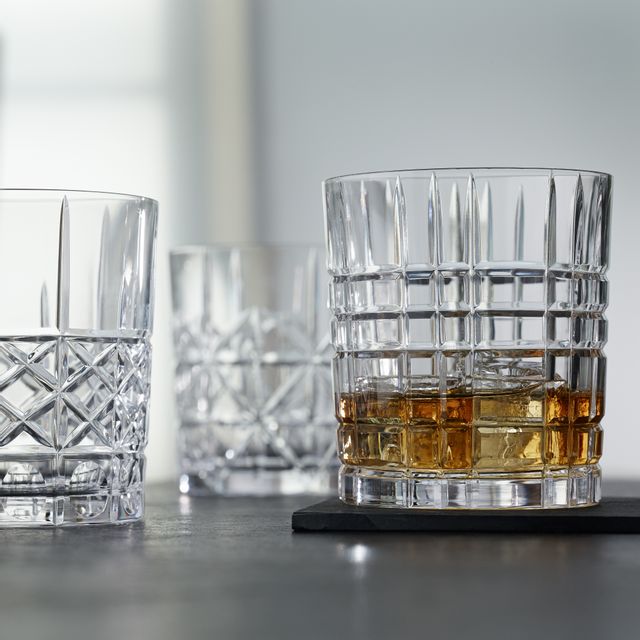
- Blended whisky was pioneered by Andrew Usher in Edinburgh, Scotland, during the 1860s.
Single malt whisky at the time was quite raw and intensely flavored. Usher found that by blending new grain whiskies, he could create whiskies that were lighter and sweeter in character and, therefore, much more marketable to a broader audience.
- Rye whiskey and Canadian rye whisky differ more than you would think.
Despite sounding like they’d be the same, rye whiskey and Canadian rye whisky are quite different. Authentic rye whiskey is defined by its mash bill, which must contain at least 51% rye grain, giving it its distinctive spiced and robust flavor profile. Canadian rye whisky, on the other hand, has developed into a label that refers to all whiskey made in Canada - even if the whiskey isn't made from rye!
- Single malt doesn't mean single cask.
It's common for people to mistakenly believe that just one cask is used to produce single-malt whisky. The 'single malt' label actually only means that the whisky is the product of a single distillery, but the whisky may have been aged in several casks!
- Whiskey has such a history of prominence in the US that there was a rebellion over it!
The Whiskey Rebellion of 1791-1794 was a protest against a tax on distilled spirits imposed by the newly-formed U.S. government to help pay off the country's Revolutionary War debts. While the tax was applied to all spirits, the popularity of whiskey at the time meant it was referred to as a whiskey tax. The tax disproportionately affected whiskey producers in western Pennsylvania, leading to widespread resistance and protests to try and prevent federal officials from collecting the tax.
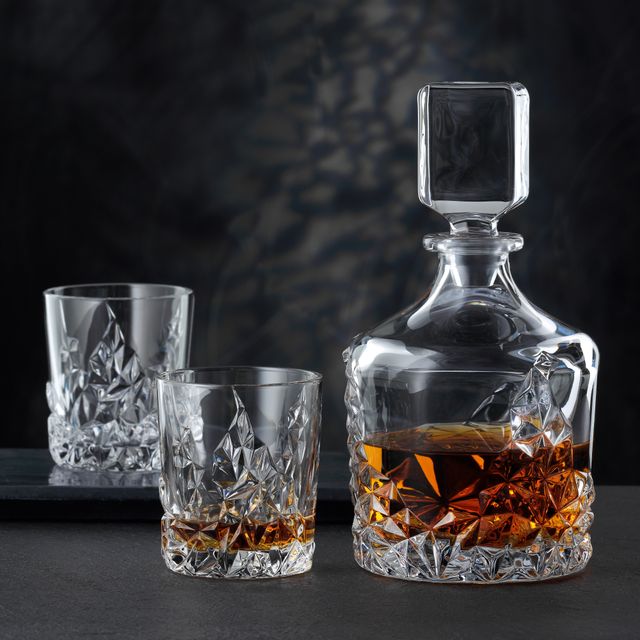
- Whiskey was accessible during US Prohibition.
Whiskey may have taken a hit following the US Civil War, but it enjoyed a little loop whole during US Prohibition from 1920 to 1933. During this time, the US Constitution banned the manufacture, transportation, and sale of intoxicating liquors, but pharmacists were allowed to dispense 'medicinal whiskey' by prescription for various ailments, including anxiety and influenza.
- Scottish distilleries provided the inspiration for Japanese whisky.
Japanese whisky is often compared to Scotch, and for good reason! One of Japanese whisky's founding Fathers, Masataka Taketsuru, visited Scotland in 1918 to learn the art of making Scotch. Upon his return to Japan, Taketsuru and his wife teamed up with Shinjo Torii to open a distillery that modeled its whiskies on Scotch. Over time, Japanese whisky has developed its own identity, with one single malt variety being crowned the world's best in the World Whisky Awards in 2017.
- Whisky outnumbers people in Scotland by 4:1!
As of 2024, there were approximately 22 million cases of whisky in Scotland compared to around five and a half million people. It's fair to say humans are thoroughly outnumbered in this regard!
- Whisky is the UK's most valuable food and drink export.
All those barrels of Scotch aren't just for show. With a value of around £5 billion, whisky is by far the UK's most valuable food, feed, and drink export, comfortably beating out chocolate and cheese, which take the number two and three spots respectively. With the UK's food, feed, and drink exports totalling roughly to £25 billion in value overall, this means whisky accounts for around 20% of the total industry value!
- Whiskey also outnumbers people in Kentucky!
If it wasn't already clear, whiskey is rather popular in numerous countries. While not as emphatic a difference as Scotch enjoys in Scotland, the 12 million barrels of bourbon in Kentucky comfortably outnumber the state's human population of 4.5 million.
We hope you found some of these facts interesting. How about making a mental note of some of your favorites to use the next time you want to impress your whisky-loving friends?
SHOP
NACHTMANN WHISKY GLASSES
Locations


